Information · Reduce, Re-use, Repair & Recycle

Recycling

Recycling is one of the easiest ways to reduce your carbon footprint. Throwing things away wastes the energy and resources taken to make a product — reducing what we discard cuts the materials that must be quarried and mined.
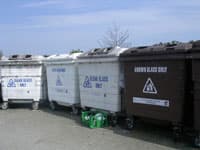
Glass recycling bins
Reduce, Re-use, Repair & Recycle

Reduce, Re-use, Repair and Recycle

Throwing things away is a waste of the energy and the resources taken to make the product. Reducing the number of things that need to be thrown away, reduces the amount of materials which have to be quarried and mined.

Avoid excessive packaging

We should all avoid products with excessive packaging.

Make things last longer

Everyone should try and re-use products for as long as feasibly possible. It is amazing how often people buy certain products and use them only once or twice, even though they can be re-used many times. For instance can you think of some items of clothing you have worn only once?

Less energy, less pollution

Recycling uses less energy and produces less pollution than making things from scratch.

For example:

  • Making Aluminium cans from old ones uses one twelfth of the energy to make them from raw materials.
  • For glass bottles, 315kg of CO2 is saved per tonne of glass recycled after taking into account the transportation and processing.
  • Making bags from recycled polythene takes one third the Sulphur Dioxide and half the Nitrous Oxide, than making them from scratch.

Another form of recycling is composting household and garden waste.

Glass recycling bins

Why compost?

Composting household and garden waste is a simple, natural form of recycling with real benefits.

Why compost?

  • It helps fertilize soil, making plants and vegetables grow better.
  • Using home made compost will minimise depletion of peat bogs.
  • Reduces the number of refuse collections needed.
  • Reduces the strain on land fill sites.
  • You may be able to get a reduced price compost bin via the recycle now website.
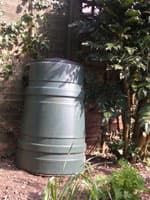
Garden composter

What can you compost?

  • Garden waste (fallen leaves, grass cuttings and prunings).
  • Kitchen waste (such as raw vegetables, fruit, crushed egg shells, tea leaves and tea bags).
  • In addition try shredded paper and cardboard.

Give items a second life

Gifting items to charity is also an excellent form of recycling. Charities not only sell old clothes, but would also appreciate other house hold items, such as books, music CDs, videos, etc. As well as saving the planet against global warming you will also be helping others.

Ready to cut your carbon footprint?

Recycling is one of the easiest ways to reduce your impact — and it is just the start. Measure where you stand today and discover more practical ways to take action.

Speak to our Experts → Calculate Your Footprint